We use cookies to make your experience better. To comply with the new e-Privacy directive, we need to ask for your consent to set the cookies. Learn more.


6 Garage Jobs to Prepare For Before Winter Arrives


Colder weather changes the type of work coming through a garage. Weak batteries become non-starters, tyre condition gets more attention, demisting becomes increasingly important and electrical faults can be harder to ignore. Preparing now means making sure your garage equipment is ready for those jobs, while also checking the workshop itself is ready for colder working conditions.
What should your garage prepare for before winter?
Winter doesn’t mean completely changing the services your garage offers, but it does change the type of work you’re likely to see more often.
A battery that's been getting weaker for months can suddenly struggle on a cold morning. Servicing and winter checks uncover tyres that need replacing, while customers rely more heavily on heating and demisting. Electrical and warning-light faults still need diagnosing quickly when the diary is full.
Then there's the workshop itself. Discovering your heater isn’t working properly on the first freezing morning of the year is the last thing you need.
With that in mind, here are six areas worth checking to make sure your garage equipment is ready before the colder weather arrives.
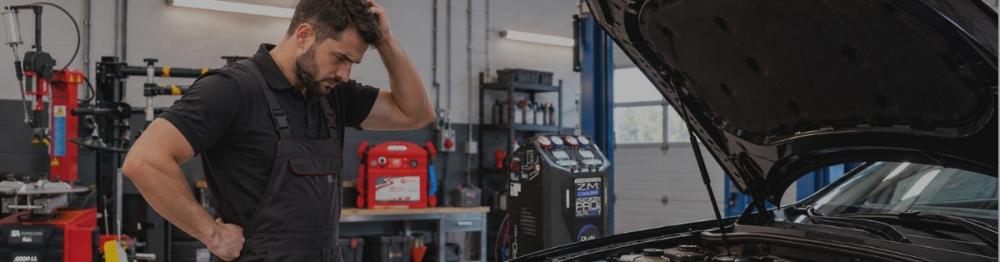
1. Be ready for weak batteries and non-starting vehicles
Cold weather has a habit of exposing batteries that were already struggling.
A customer who hasn't noticed anything unusual throughout summer can suddenly find their vehicle turning over slowly or not starting at all once temperatures drop.
That makes a dependable battery booster pack particularly useful during the colder months, both for customer vehicles and anything that refuses to start while it's already in the workshop.
Before winter, check the booster you're relying on. Is it fully charged? Does it still hold its charge properly? More importantly, is it actually powerful enough for the vehicles you're working on?
There's a considerable difference between occasionally starting a small petrol car and regularly dealing with larger diesel vans or commercial vehicles. A booster that's under-specified for your workload can quickly become more frustrating than useful.
Alongside a reliable booster pack, it’s also worth checking your battery chargers and support units. While boosters help get non-starting vehicles running, battery chargers allow technicians to recharge and maintain batteries, while suitable support units provide stable power during diagnostic work and other procedures that require it.
Having both available means your workshop is better equipped to handle battery-related problems throughout winter, rather than relying on a booster pack for every situation.
Is your battery equipment ready for winter? Explore our professional booster packs, battery chargers and support units to make sure you’ve got the right equipment before the colder weather arrives.

2. Check your antifreeze before temperatures drop
One of the easiest winter checks to overlook is the condition of a vehicle’s coolant. As temperatures fall, insufficient antifreeze protection can leave the cooling system vulnerable to freezing, potentially causing expensive damage to the radiator, hoses or engine.
Rather than relying on the coolant’s colour or assuming it’s still providing adequate protection, technicians can use an antifreeze tester to check its concentration or freezing protection, depending on the type of tester being used.
It’s a quick check that can be incorporated into routine servicing and winter vehicle inspections, helping identify inadequate protection before freezing temperatures arrive.
Make sure your workshop is ready for winter coolant checks. Explore our range of antifreeze testers and cooling system tools to help protect customers’ vehicles during the colder months.
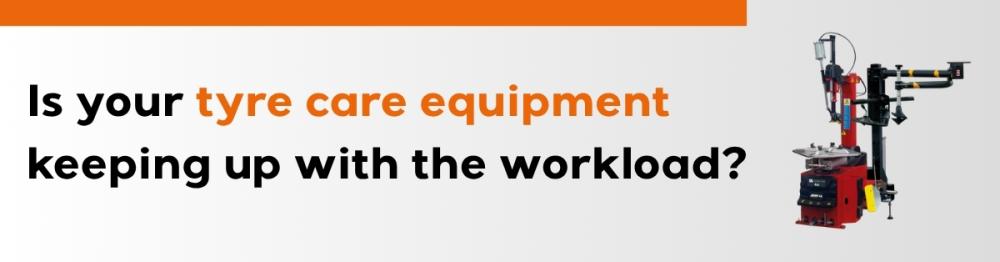
3. Make sure your tyre changer machine and wheel balancer can keep up
Wet and colder conditions tend to put more attention on tyre condition, particularly tread depth, damage and general wear.
Servicing and winter checks can uncover worn or damaged tyres, giving garages more opportunities to recommend replacements before conditions worsen.
If you're expecting more tyre work, it’s worth looking at your complete tyre-fitting setup rather than just the tyre changer machine.
Can your current machine comfortably handle the tyres coming through the workshop? Does it struggle with low-profile or run-flat tyres? And is the assist arm doing its job properly?
For garages regularly handling passenger cars, light commercial vehicles and more demanding tyre profiles, the Supalign by Teco 24” Leverless Tyre Changer is worth considering. Its leverless demount tool reduces the need for manual levering, helping protect alloy wheels and making tougher tyre changes easier to manage. The reinforced frame, variable speed operation and SAHTB24 assist arm also give technicians greater control when working with stiff sidewalls and lower-profile tyres.
Of course, fitting the tyre is only part of the job. You’ll also need a reliable wheel balancer to finish it properly.
The Supalign Computer Wheel Balancer with Automatic Laser (BWCWB0003) is designed to make that process easier. It automatically measures wheel dimensions, while the integrated laser guides accurate weight placement. Electronic braking also positions the wheel automatically, reducing manual adjustments and helping technicians get through balancing jobs more efficiently.
Together, these machines provide a practical tyre-fitting setup for garages looking to handle more work in-house without unnecessarily slowing down the tyre bay.
Thinking about upgrading your tyre equipment before winter? Speak to our team about a tyre changer and wheel balancer setup that suits your vehicles and the workload your garage handles.
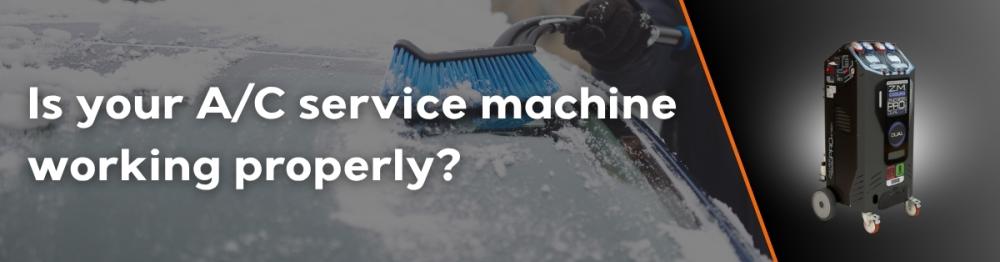
4. Don't forget the A/C machine when summer ends
It's easy to associate vehicle air conditioning purely with hot weather, but A/C systems also play an important role during the colder months.
Air conditioning helps remove moisture from cabin air, making it useful for clearing misted windows during cold, wet weather. If a customer’s A/C isn’t performing properly, they may notice the problem when their windows are taking longer than usual to demist.
That means your A/C service machine shouldn't simply be pushed into the corner until next spring.
Before winter, check the machine itself, service hoses and consumables to make sure everythings is ready for continued use. It’s also worth checking that you have the correct refrigerant available for the vehicles you’re servicing.
For garages considering bringing A/C servicing in-house, the right equipment depends on the vehicles coming through the workshop.
The ZMC-EVOYF Automatic Air Conditioning Station is designed for R1234yf systems, with automatic recovery, recycling and charging, a built-in vehicle database and compatibility with vehicles using electric A/C compressors.
If you're regularly working across both R134a and R1234yf vehicles, the ZMC-802 DUAL HI-TECH PRO can manage both refrigerants independently within one machine.
The important thing is to choose around your actual vehicle mix rather than automatically buying the machine with the longest specification list.
Not sure which A/C service machine suits your garage? Arrange a call back from our equipment team on what vehicles you're regularly servicing, and we'll help you compare the options.
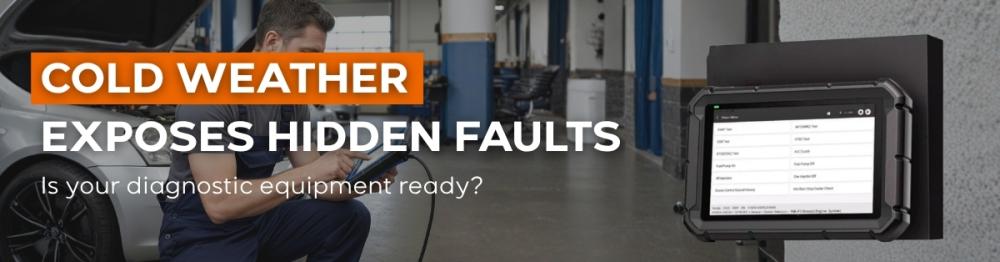
5. Make sure your diagnostic tool is ready for the faults coming through the door
Cold weather has a habit of exposing faults that drivers might not have noticed during the warmer months. A vehicle that started perfectly through summer suddenly struggles on a frosty morning, warning lights appear, or an intermittent electrical problem becomes more noticeable.
Weak batteries, charging system faults and other issues are all worth investigating when customers report cold-starting problems. The challenge for technicians is identifying what's actually causing the fault rather than replacing parts unnecessarily.
That's where a reliable diagnostic tool becomes particularly useful.
Modern diagnostic equipment does more than read and clear fault codes. Access to live vehicle data, sensor readings and system information can help technicians narrow down faults, check how components are performing and make more informed repair decisions.
Before temperatures drop, make sure your diagnostic equipment is working correctly and that its software and vehicle coverage are up to date. It’s also worth checking whether your current tool can access the systems fitted to the newer vehicles coming through your workshop.
If your diagnostic tools are regularly limiting what your technicians can investigate, upgrading it could help keep more repair work in-house and reduce time spent diagnosing faults.
Want to make sure your diagnostic equipment is ready for winter? Speak to our team about the vehicles and systems your workshop needs to cover.
6. Is your Thermobile workshop heater ready for winter?
Preparing for winter isn’t just about the vehicles coming through your workshop. It’s also about making sure your technicians have a comfortable environment to work in when temperatures drop.
If your garage relies on a Thermobile workshop heater, the last thing you want is to discover it isn’t working properly on the first freezing morning of the year. An unreliable heater can leave technicians working in uncomfortable conditions, particularly in larger workshops where maintaining a suitable temperature is already a challenge.
Before winter arrives, arrange for your heater to be checked and serviced where necessary. Identifying worn components, poor performance or maintenance requirements now gives you time to resolve them before you're relying on the heater every day.
It's also worth checking whether you need any replacement Thermobile spares. If you know a component is worn or due for replacement, sourcing the correct part in advance can help avoid unnecessary heating downtime during the colder months.
Finally, consider whether your existing heater is still suitable for the workshop. If you've extended the building, added more working bays or changed the layout, your heating requirements may have changed too. A heater that was adequate several years ago might no longer provide sufficient heat for the space.
Is your workshop heating ready for winter? Whether you need a new Thermobile heater or replacement spares, speak to our team with your existing heater model and workshop requirements. We'll help you find the right solution before temperatures drop.
Your winter workshop checklist
Before colder weather properly arrives, check the equipment you're likely to rely on:
Battery equipment: Is your battery booster pack charged, tested and suitable for the vehicles you work on?
Tyre bay: Are your tyre changer machine, assist arm and wheel balancer working correctly?
A/C equipment: Is your A/C service machine ready for continued use after the summer rush?
Diagnostics: Is your diagnostic tool working correctly and does it still provide the vehicle and system coverage you need?
Workshop heating: Have you tested your Thermobile heater and identified any Thermobile spares or servicing requirements before temperatures fall?
Most of these checks don't require a major investment.
The important thing is finding the problem now rather than when a full diary, cold workshop or stranded vehicle makes it considerably more inconvenient.
Prepare now, before winter arrives
Preparing a garage for winter isn't about replacing perfectly good equipment.
It's about checking whether the equipment you already rely on is ready for the work ahead and identifying weak points while you've still got time to do something about them.
If everything passes the check, you're ready.
If the battery booster isn't holding charge, the tyre machine is becoming hard work, your diagnostic coverage has fallen behind, or the workshop heater needs attention, you've found the problem before it starts affecting paying jobs.
At JHM Butt, we supply garage and workshop equipment across the UK, including battery booster packs, tyre changers, wheel balancers, A/C service machines, diagnostic equipment, Thermobile heaters and replacement Thermobile spares.
If you're getting your workshop ready for winter, speak to our team about the equipment that actually needs attention before the colder weather arrives.
Speak to the JHM Butt Equipment Team
Frequently Asked Questions
What garage equipment should I check before winter?
Before winter, check the equipment you're likely to rely on for battery problems, tyre fitting, vehicle A/C, diagnostics and workshop heating. Battery booster packs, tyre changers, wheel balancers, A/C service machines, diagnostic tools and workshop heaters should all be checked before seasonal demand increases.
Why do weak car batteries become more noticeable in cold weather?
Cold temperatures can reduce battery performance while starting an engine places significant demand on the battery. A battery that was already weakened can therefore become much more noticeable once temperatures fall.
Is vehicle A/C useful during winter?
Yes. Vehicle air conditioning isn't only used for cooling. It also removes moisture from cabin air, helping drivers clear misted windows during cold and wet conditions.
What equipment does a garage need for tyre fitting?
A professional tyre-fitting setup will typically require a tyre changer machine and wheel balancer, alongside a suitable compressed-air supply, accessories and consumables. The equipment should be matched to the wheel sizes, tyre types and volume of work the garage handles.
When should I check my workshop heater?
Check your workshop heater before temperatures fall far enough that you depend on it every day. Running it in advance gives you time to identify servicing requirements or source replacement Thermobile spares before the heater becomes essential.
October 14, 2026
|
View: 24
|
Categories: Blog
| Tags: <a class="mp-info" href="https://www.jhmbuttco.com/blog/tag/tyre-changer">Tyre Changer</a>
|
By: <a class="mp-info" href="https://www.jhmbuttco.com/blog/author/admin">Admin</a>
About the Author

Related Posts


What are Coil Spring Compressors?
April 21, 2023

Your Full Guide to MOT Ramps
June 6, 2022


The Requirements Needed For an MOT Bay
July 19, 2023

6 Garage Jobs to Prepare For Before Winter Arrives
October 14, 2026

The Garage Jobs Worth Bringing In-House in 2026
September 3, 2026

MOT “Photos at Test” Begins: What Garages Need to Know
August 4, 2026