We use cookies to make your experience better. To comply with the new e-Privacy directive, we need to ask for your consent to set the cookies. Learn more.



CASE STUDIES
Retford Auto Centre MOT Station Installation
FEATURED PRODUCTS
-

2 Post Lift
Code: KPH370.45K
4.5 Tonne Capacity -

Majorlift Jacking Beam
Code: HPJ2.8EW
2.8 Tonne Capacity -

MOT Class 4 Test Lane
Code: MOT4ATLSL
Scissor Lift


Retford Auto Centre needed a complete MOT station built from the ground up. JHM Butt & Co Ltd handled the whole project, from the building itself through to VT01 application support, workshop layout and CAD drawings, and the supply and installation of a Class 4 MOT bay, a Ravaglioli scissor lift, a roller brake tester, headlamp testing equipment and a Ravaglioli 2-post lift. The centre started testing vehicles in November 2024 and remains on a service contract with us.
Key Points
- Complete turnkey MOT station, building and equipment, delivered by a single supplier.
- VT01 application assistance and guidance on current MOT regulations included.
- Workshop layout and CAD drawings produced before any equipment was ordered.
- Class 4 MOT bay, Ravaglioli scissor lift, roller brake tester, headlamp tester and Ravaglioli 2-post lift supplied and installed.
- Testing live from November 2024, with an ongoing service contract in place.
What Did Retford Auto Centre Need?
In 2024, Martyn from Retford Auto Centre set out to find a company that could build and install a new MOT service station from the ground up, rather than piece the project together across several suppliers.
He called JHM Butt & Co Ltd, based just around the corner. National Sales Manager Duane Walker has worked with Martyn ever since to build the station around how the business actually needed to operate.
What Is Involved in Setting Up a New MOT Station?
Opening a new MOT testing station is not simply a matter of buying the equipment. The site has to be approved by the DVSA, which means the application, the bay layout and the equipment all have to line up before testing can begin.
For Retford Auto Centre that work included:
- VT01 application assistance and guidance on MOT regulations
- Workshop layout and CAD drawings
- Measuring, planning and fitting of the Class 4 MOT bay
- Installation of a Ravaglioli 2-post lift
- Building the complete MOT station
- Project management, including health and safety
Handling the application support and the equipment specification together avoids the common problem of a bay being fitted out before anyone has confirmed it meets the dimensional and equipment requirements for the class of testing planned.
Which Equipment Was Installed at Retford Auto Centre?
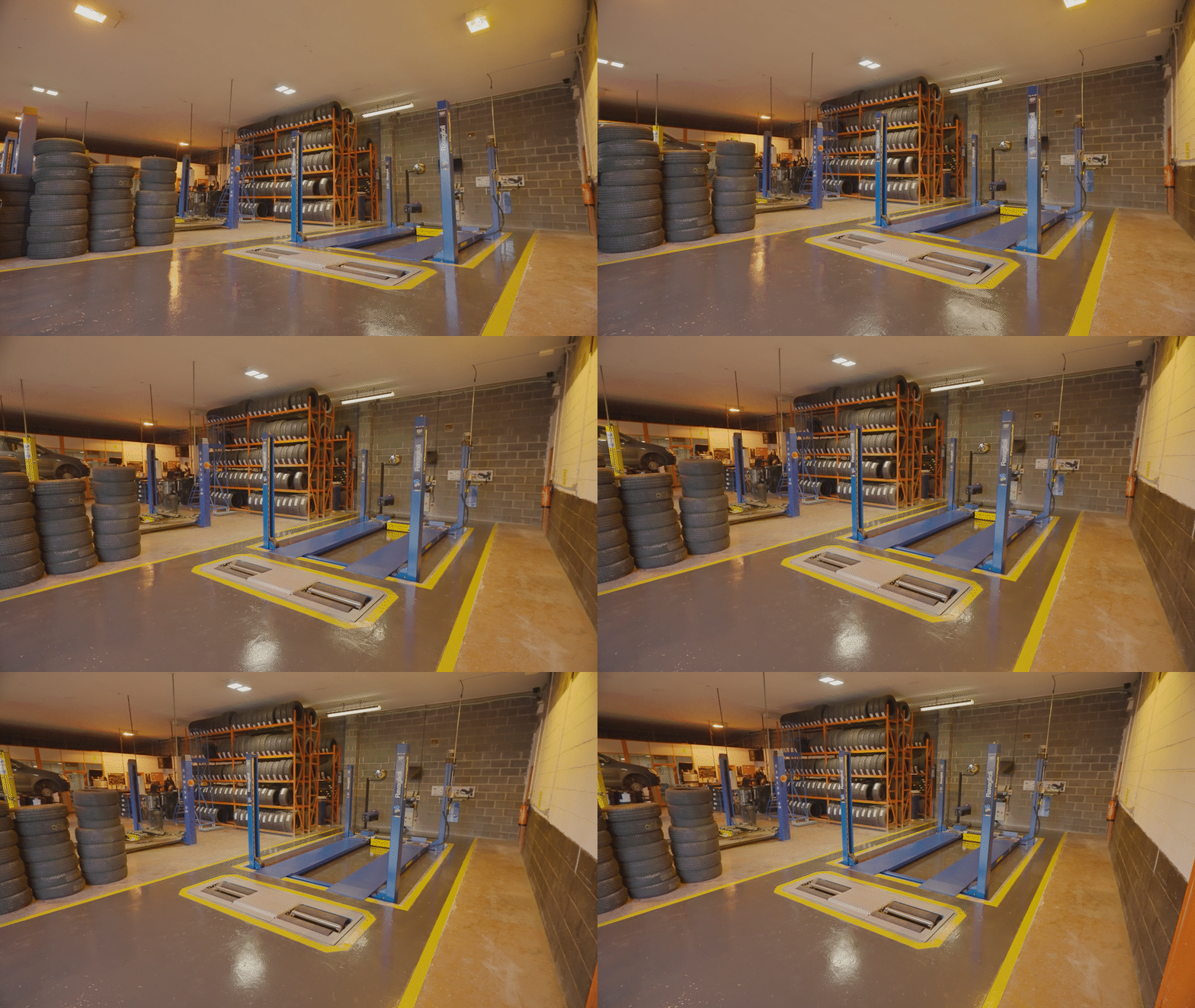
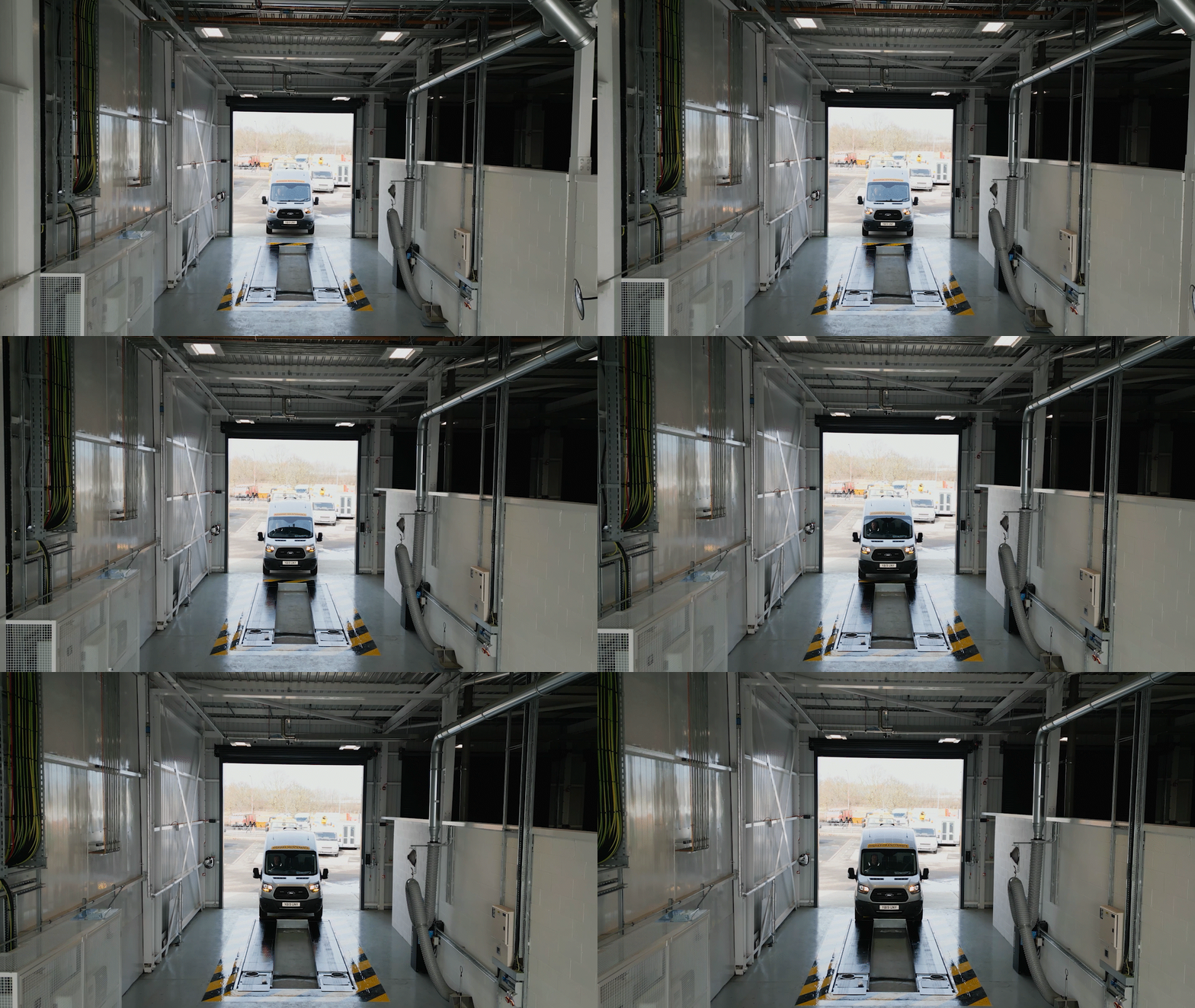
The station was fitted out with a Class 4 automatic test lane with scissor lift, giving a single approved test bay layout rather than separate pieces of equipment brought together on site.
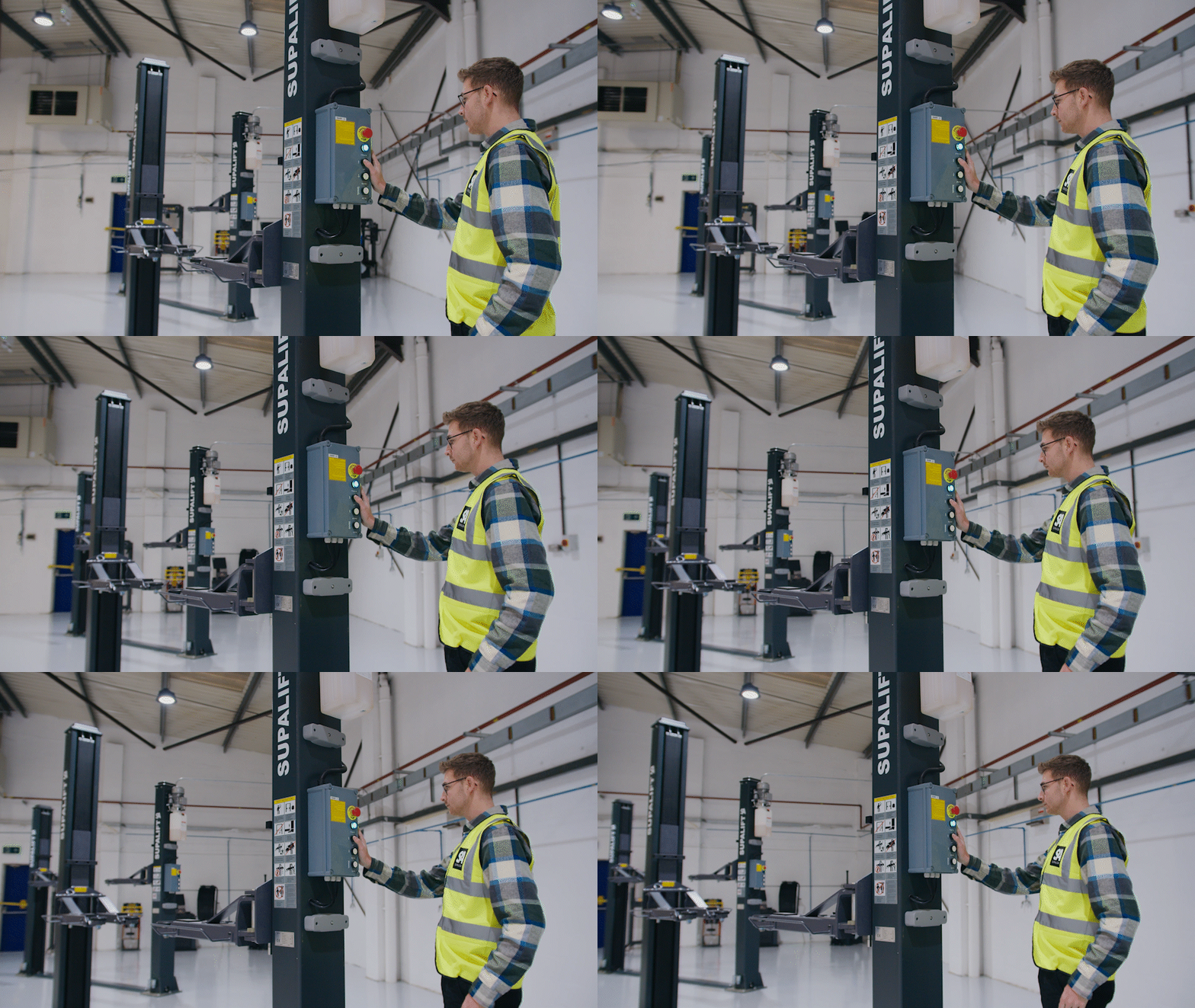
A Ravaglioli 2-post lift with 4.5 tonne capacity was installed alongside it to handle general servicing and repair work, so the business is not limited to MOT testing alone.
A Majorlift jacking beam was supplied for use within the bay, along with roller brake testing and headlamp testing equipment required for Class 4 testing.
Why Does Workshop Layout Matter in an MOT Bay?
Layout decides how many vehicles a station can move through in a day. Where the lift sits, how a vehicle enters and leaves the bay, and how much room a tester has to work around the car all affect throughput once the site is busy.
Producing CAD drawings before ordering means those decisions are made on paper, where changing them costs nothing, rather than after the equipment is bolted to the floor.
What Happens After the Installation?
MOT equipment has to stay within specification to remain approved, so testing stations need calibration and servicing on an ongoing basis rather than at the point of installation alone.
Retford Auto Centre has a service contract in place with JHM Butt, so the same team that specified and installed the equipment continues to maintain it.
What Is the Difference Between an ATL and an OPTL Bay?
Both allow one tester to carry out an MOT without an assistant, and both meet DVSA requirements for one-person testing. The difference is the level of automation.
An automated test lane (ATL) uses wheel play detectors together with an automated roller brake tester, and the system guides the tester through each stage of the brake test. An ATL also includes axle weighing. A one-person test lane (OPTL) provides the equipment needed for compliant one-person testing with a simpler installation and no axle weighing.
A new bay does not have to be an ATL. An OPTL can comply fully with DVSA requirements for one-person testing, so the choice comes down to throughput, budget and how the bay will be used day to day. We supply test lanes in both formats, for pit, scissor lift and 4-post installations.
What Is Changing for Class 4 Jacking Equipment in 2026?
The DVSA has issued new jacking equipment specifications for Class 4 MOT bays. Any application to open a new centre, or to change an existing one, submitted from 1 April 2026 onwards must use jacking equipment with a minimum safe working load of 2 tonnes and a distance of at least 1,700mm between the centre of the lifting pads.
The DVSA's reason is vehicle weight. Electric and hybrid vehicles are heavier than equivalent petrol and diesel cars, and the previous specification prevented some of them from being jacked correctly during a test.
The change applies to new centres, changes of ownership, sites restarting testing after a break, sites adding a lane, and anyone voluntarily upgrading or replacing damaged jacking equipment. It does not apply to an existing approved bay that is not changing. Full detail is in MOT special notice 04/25.
If you are planning a new bay or an upgrade, it is worth checking the specification of your intended jacking equipment against the new requirement before you order. We can confirm what suits your application.
Can a Class 4 Bay Be Upgraded to Class 7 Later?
Adding a class, or moving from two-person to one-person testing, goes through a similar application process to a new bay, so it is not simply a matter of swapping equipment.
That makes it worth deciding early whether the business is likely to test light commercial vehicles in future, because the lift and the bay layout are the hardest things to change afterwards. We supply Class 4 and Class 7 test lanes, and can talk through which makes sense for the work you expect to take on.
Where Do You Install MOT Bays?
We are based at Harworth near Doncaster, a short run from Retford, and install across the UK. Being close by made a difference on this project, both during the build and for the servicing that followed.
What Did the Customer Say?
When we spoke to Martyn, his business was up and running and he was in high spirits. Asked how JHM Butt had helped him through the process, he said “they (JHM Butt) pointed me in the right direction… I couldn’t be happier”.
In November 2024, Retford Auto Centre started taking in vehicles for MOTs on their new Ravaglioli scissor lift.
Frequently Asked Questions
How long does it take to set up a new MOT station?
It depends on the site, the class of testing and the DVSA application timeline. Retford Auto Centre began the process in 2024 and was testing vehicles by November that year, with the building constructed as part of the same project.
What is a VT01 application?
VT01 is the application used to have a site approved as an MOT testing station. The DVSA assesses the premises and equipment as part of the process, which is why the bay layout and the equipment specification need to be settled early.
What equipment is needed for a Class 4 MOT bay?
A Class 4 bay requires approved vehicle lifting equipment, a roller brake tester, headlamp testing equipment and the supporting items needed to carry out the test. The exact requirements are set by the DVSA, so the specification should always be confirmed against current guidance for your site.
Can JHM Butt build the premises as well as supply the equipment?
At Retford Auto Centre, JHM Butt built the MOT station as well as supplying and installing the equipment, and managed the project including health and safety.
Do you service the equipment after installation?
Yes. Service contracts are available, and Retford Auto Centre has one in place. Equipment used for MOT testing needs ongoing servicing and calibration to stay within specification.
Does my MOT jacking equipment need to change in 2026?
Only if you are applying to open a new centre or to change an existing one from 1 April 2026 onwards, or you are replacing or upgrading your jacking equipment. In those cases the equipment needs a minimum safe working load of 2 tonnes and at least 1,700mm between the centre of the lifting pads. An existing approved bay that is not changing does not need to do anything.
Do I need an ATL, or will an OPTL do?
An OPTL can fully comply with DVSA requirements for one-person testing, so an ATL is not compulsory. An ATL adds an automated brake test sequence and axle weighing. Which suits you depends on expected throughput and budget.
Can I add Class 7 testing later?
Yes, but adding a class goes through an application process in the same way as a new bay, and the lift and layout are the hardest parts to change after installation. It is cheaper to plan for it at the start than to retrofit.
Planning Your Own MOT Station?
Whether you are adding a test bay to an existing workshop or building a station from scratch, JHM Butt & Co Ltd can support the project from layout and equipment specification through to installation, commissioning and ongoing servicing.
Talk it through with the team on 01302 710868 or get in touch here.