We use cookies to make your experience better. To comply with the new e-Privacy directive, we need to ask for your consent to set the cookies. Learn more.


Edinburgh Seafield & Bankhead Installation Projects

CASE STUDIES
Edinburgh Council Seafield & Bankhead Workshops


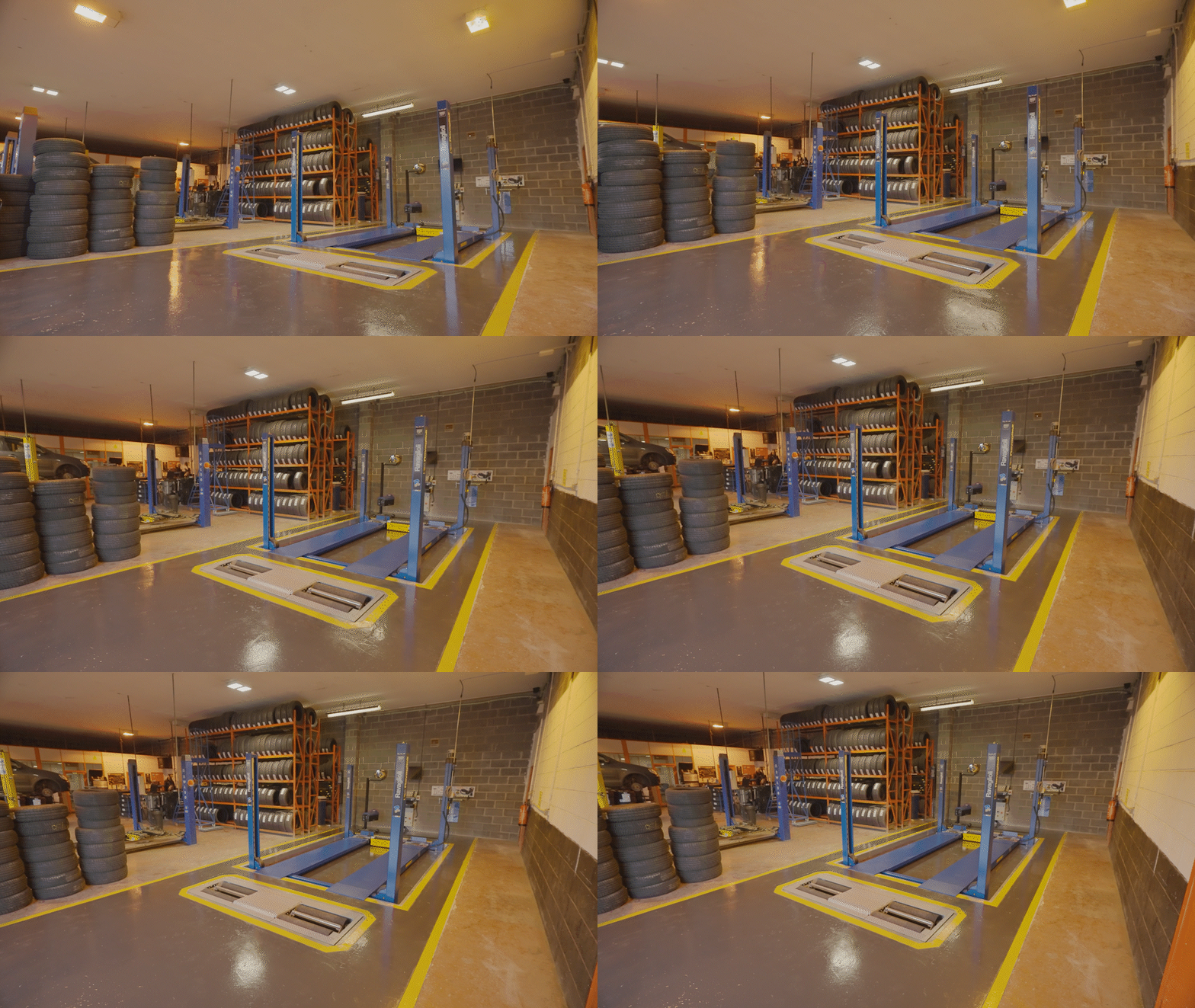
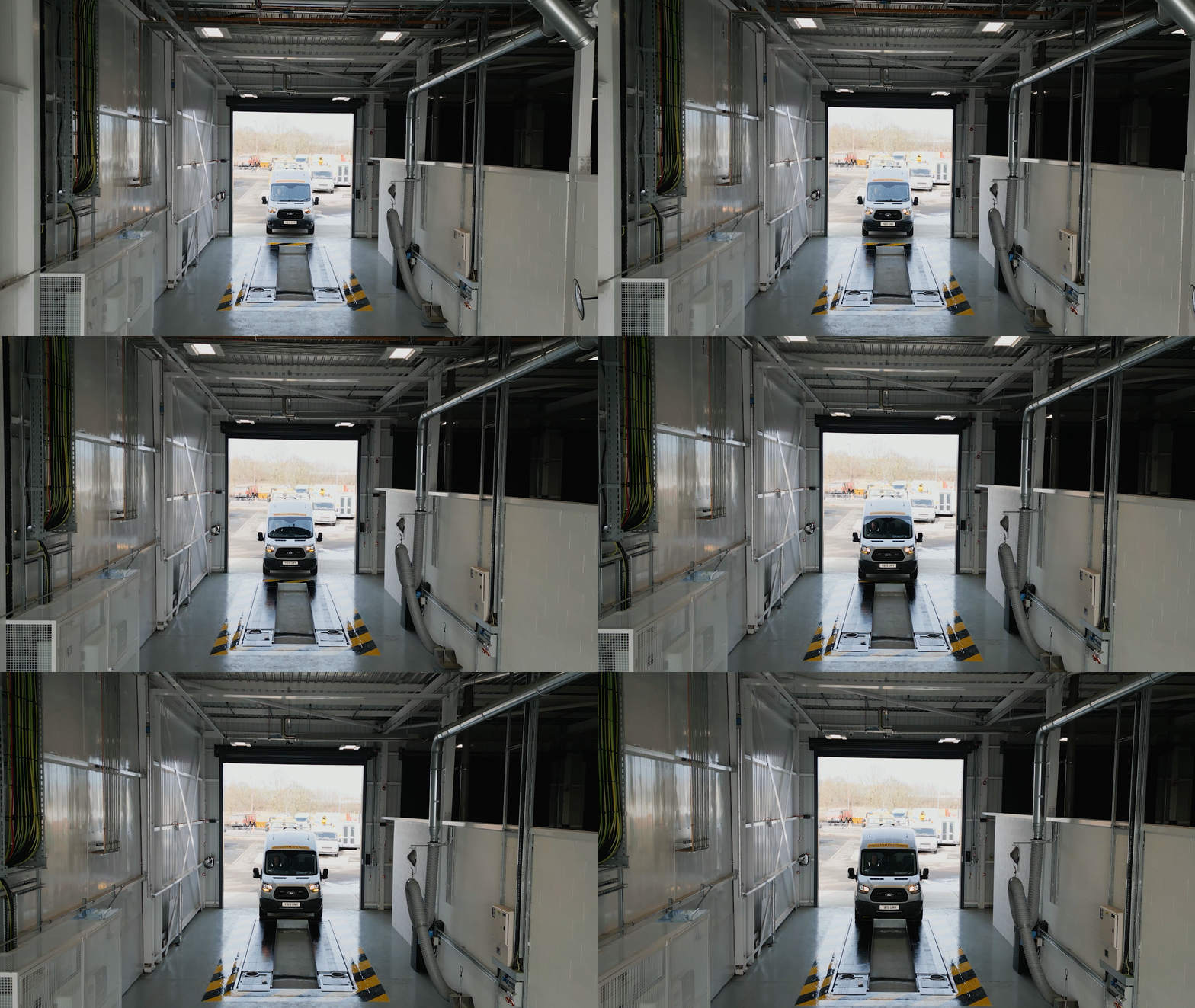
The City of Edinburgh Council was sending waste vehicles, ambulances, fire engines and other public service vehicles across the city to an external contractor for washing, and running two depots over 30 minutes apart. JHM Butt & Co Ltd supplied and installed a chassis wash bay, four commercial inspection pits, four Class 7 ATL MOT lifts, a Ravaglioli commercial roller brake tester, mobile column lifts, exhaust extraction and jacking beams across the Seafield and Bankhead depots, bringing the work in-house.
Key Points
- Two council depots fitted out: Seafield commercial workshop and Bankhead waste vehicle HQ.
- Chassis wash bay installed on site, ending the need to send vehicles to an external contractor.
- Four commercial inspection pits and four Class 7 ATL MOT lifts.
- Ravaglioli commercial roller brake tester and Ravaglioli mobile column lifts.
- Exhaust extraction, four Majorlift jacking beams, a combi smoke and gas machine and a range of workshop tools.
- Ongoing aftersales support provided by JHM Butt.
What Problem Was Edinburgh Council Trying to Solve?
In August 2022, Edinburgh endured an eight-day bin strike during one of the city’s busiest periods, with major music festivals adding pressure to already stretched waste services. Frontline staff felt overworked and under-resourced, and waste build-up became a public concern.
The Council called JHM Butt needing to change how its workshops operated, so that both staff and the public were better supported going forward.
Why Was Vehicle Washing Such an Issue?
Waste vehicles, ambulances, fire engines and other public service vehicles were being driven across the city to an external contractor to be washed. Every wash carried a contractor cost, plus the driver’s time, the fuel and the hours the vehicle spent off the road.
For a fleet of that size, those costs add up quietly and continuously, which is exactly the kind of spend that is easy to carry for years without anyone totalling it.
What Difference Did the Distance Between Depots Make?
The waste vehicle HQ at Bankhead is over a 30-minute drive from the commercial workshop at Seafield. Crews were under pressure to rush jobs so vehicles could be moved across the city for servicing and repairs.
That is a quality and morale problem as much as a logistics one. Rushing maintenance work on heavy vehicles is not something any workshop manager wants built into the routine.
What Did JHM Butt Install?
Working closely with the Council, we fitted out both depots so that washing, inspection, testing and repair could all happen on site:
- Chassis wash bay, to clean vehicle back ends in-house
- Four commercial inspection pits
- Four Class 7 ATL MOT lifts, for MOT testing of light commercial vehicles
- Exhaust extraction system
- Ravaglioli commercial roller brake tester
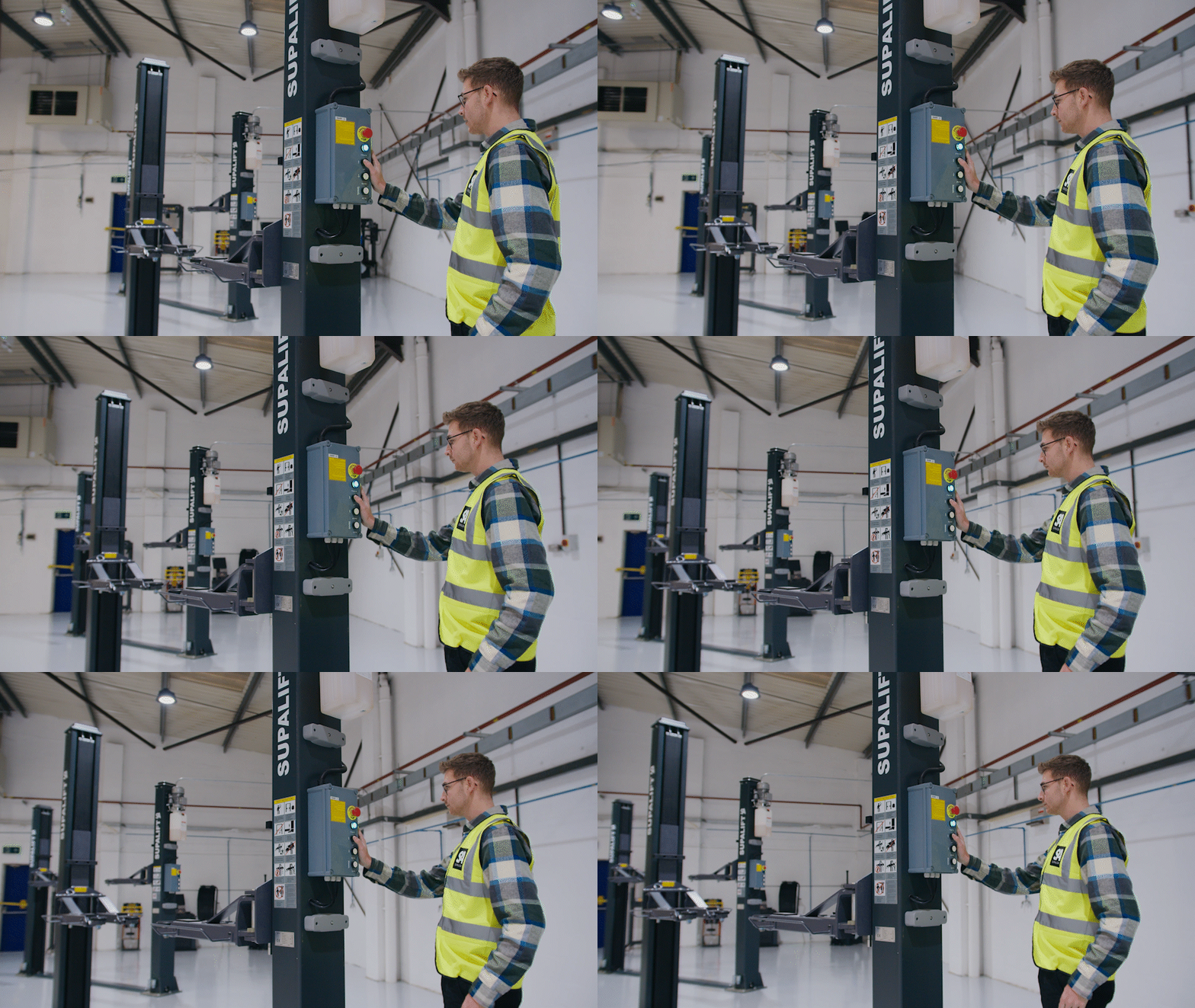
- Ravaglioli mobile column lifts
- Two 2.8 tonne and two 2.0 tonne Majorlift jacking beams
- Premier combi smoke and gas machine
- A range of workshop tools
What Was the Result?
Bringing the work in-house has reduced operational costs, cut vehicle downtime and freed up time and resources that can be put to use elsewhere in the city. Vehicles are washed, inspected, tested and repaired on site rather than being driven across Edinburgh to get it done.
We thank The City of Edinburgh Council for trusting JHM Butt to supply, install and provide ongoing aftersales support for their workshop facilities.
Frequently Asked Questions
Do you work with councils and public sector fleets?
Yes. The City of Edinburgh Council is one example. We work with local authorities, emergency services fleets and commercial operators as well as independent garages, and can support procurement with specification and layout work early in the process.
What is a Class 7 MOT lift?
Class 7 covers goods vehicles above the Class 4 weight limit, so a Class 7 bay is specified for heavier light commercial vehicles. For a fleet running vans and specialist vehicles, Class 7 capability means testing in-house rather than booking externally.
Should a fleet workshop use inspection pits or vehicle lifts?
Both have a place and many commercial workshops use a mix, as Edinburgh does. Pits suit high-volume routine inspection on large vehicles and keep the floor clear. Lifts give better access underneath and can be relocated more easily. The right answer depends on the vehicles, the building and the throughput, which is what the site survey establishes.
Why use mobile column lifts?
Mobile columns lift heavy and long vehicles without fixed installation, and can be moved between bays or buildings. For a mixed fleet where vehicle types vary, that flexibility is often worth more than a fixed lift in one position.
Can you install a chassis wash bay on an existing site?
Yes, subject to survey. Drainage, water supply, interceptors and available space all need checking before specification. ### CONFIRM - add anything about consents, interceptors or drainage approval that customers should know. ###
Do you provide aftersales support on commercial installations?
Yes. We provide ongoing servicing, calibration, LOLER thorough examination and repairs, with nationwide engineer coverage. Edinburgh Council has ongoing support in place.
Do you work in Scotland?
Yes. We are based at Harworth near Doncaster and cover the whole of the UK, including Scotland. Edinburgh is one of a number of projects we have delivered outside England.
How is a two-site project managed?
Through a single point of contact coordinating both sites, including surveys, layouts, delivery scheduling, engineers and sign-off. On a live depot, sequencing matters as much as the installation itself, because the fleet still has to run while the work is going on.
Planning a Fleet or Depot Workshop?
Whether you are fitting out a new depot, adding Class 7 testing or bringing vehicle washing in-house, JHM Butt & Co Ltd can support the project from survey and layout through to installation, commissioning and ongoing servicing.
Talk it through with the team on 01302 710868 or request a call back.