What is wheel alignment equipment used for?

Wheel alignment equipment is used to adjust the angles of the wheels to ensure they are perpendicular to the ground and parallel to each other. Proper wheel alignment is essential for safe and comfortable driving, as it affects the vehicle's handling, stability, and fuel efficiency. In this article, we will discuss what wheel alignment equipment is and how it is used.
Wheel alignment equipment consists of a variety of tools and machines that are used to measure and adjust the angles of the wheels. The three primary angles that are adjusted during a wheel alignment are the camber, caster, and toe.
Camber refers to the vertical angle of the wheel, with a positive camber meaning that the top of the wheel is tilted outward, and a negative camber meaning that the top of the wheel is tilted inward. Caster refers to the angle of the steering axis, with a positive caster meaning that the steering axis tilts backward, and a negative caster meaning that the steering axis tilts forward. Finally, toe refers to the angle of the wheels relative to the centerline of the vehicle, with a toe-in meaning that the front of the wheels are closer together than the rear, and a toe-out meaning that the front of the wheels are farther apart than the rear.
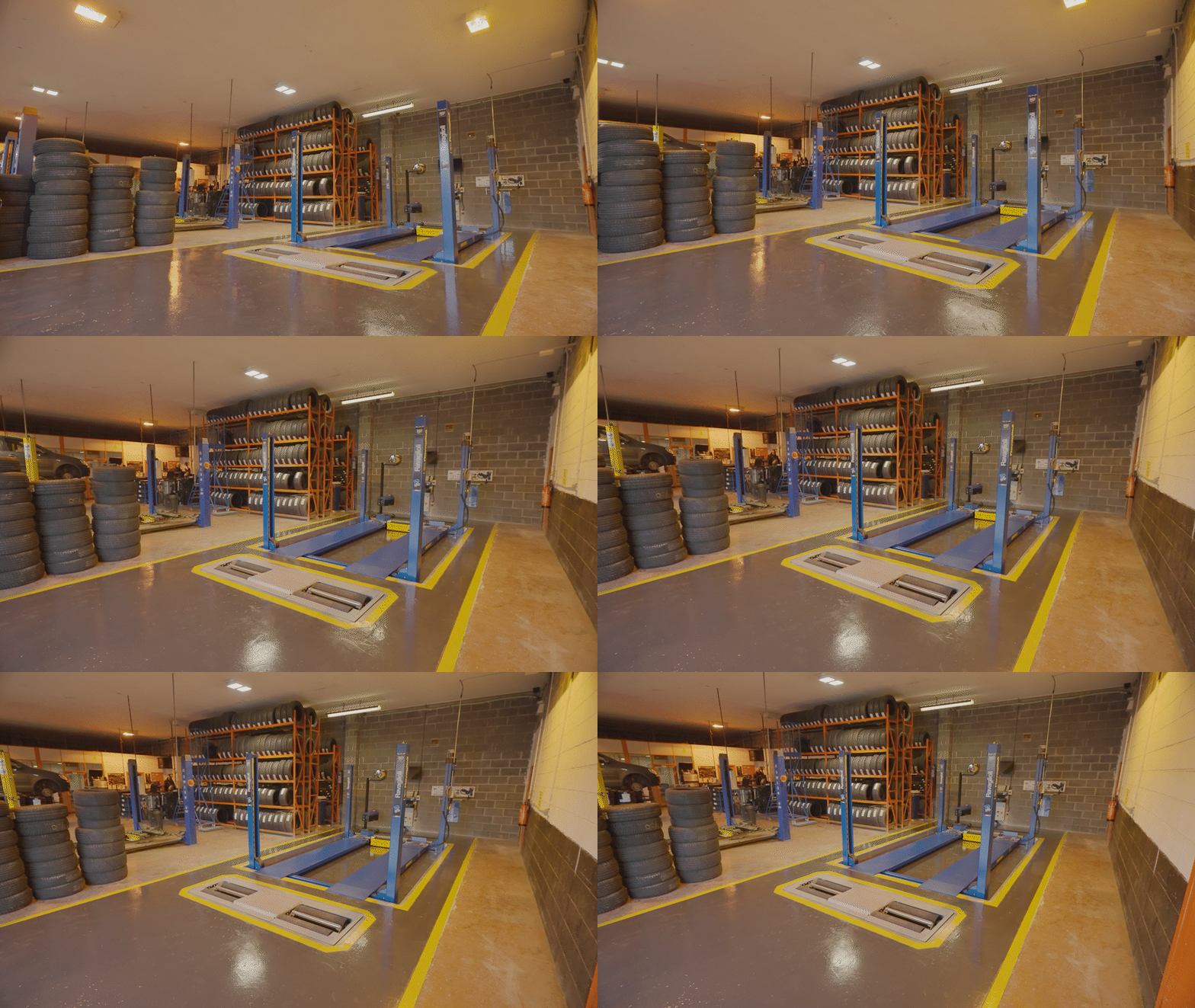
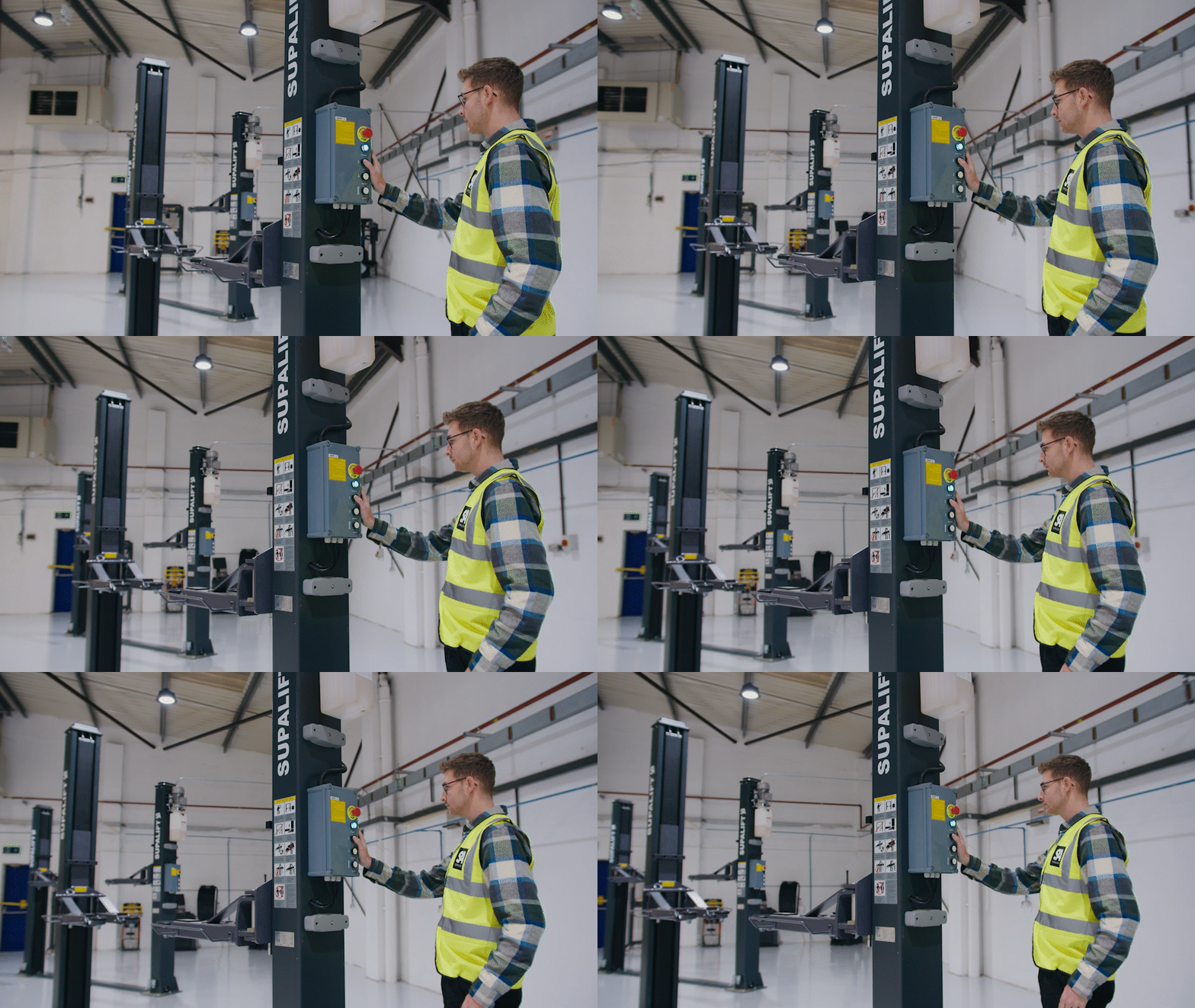
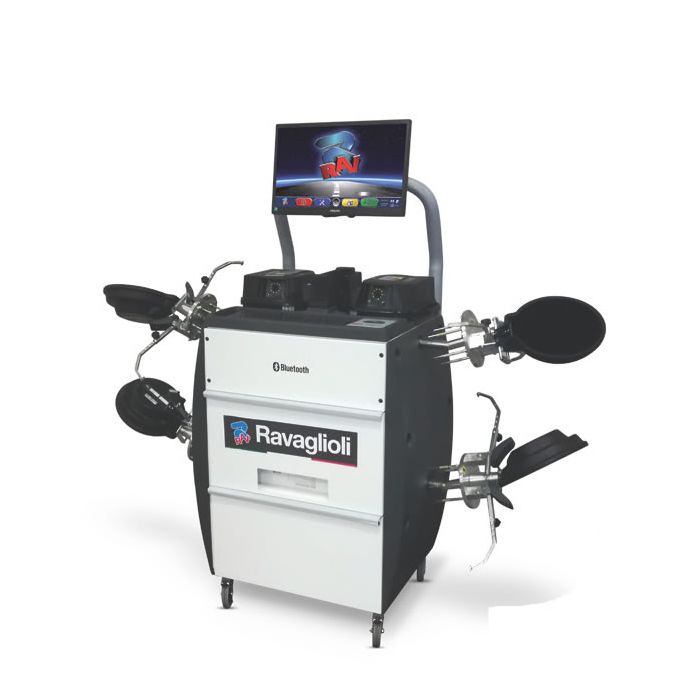
Wheel alignment equipment includes alignment racks, alignment machines, and various tools such as gauges, turn plates, and alignment software. Alignment racks are used to lift the vehicle off the ground and position it at the proper height and angle for alignment measurements to be taken. The alignment machine is used to measure the angles of the wheels and provide a computer-generated report with the necessary adjustments to be made.
Wheel alignment tools such as gauges, turn plates, and alignment software are used to measure the angles of the wheels and make adjustments. Toe gauges are used to measure the toe angle, while camber and caster gauges are used to measure the camber and caster angles. Turn plates are used to measure the angle of the wheel as it turns, allowing for accurate measurements of the camber and caster angles.
Wheel alignment software is used to input the measurement data from the alignment machine and provide the necessary adjustments to be made. The software provides recommendations for adjusting the camber, caster, and toe angles, ensuring that the wheels are properly aligned.
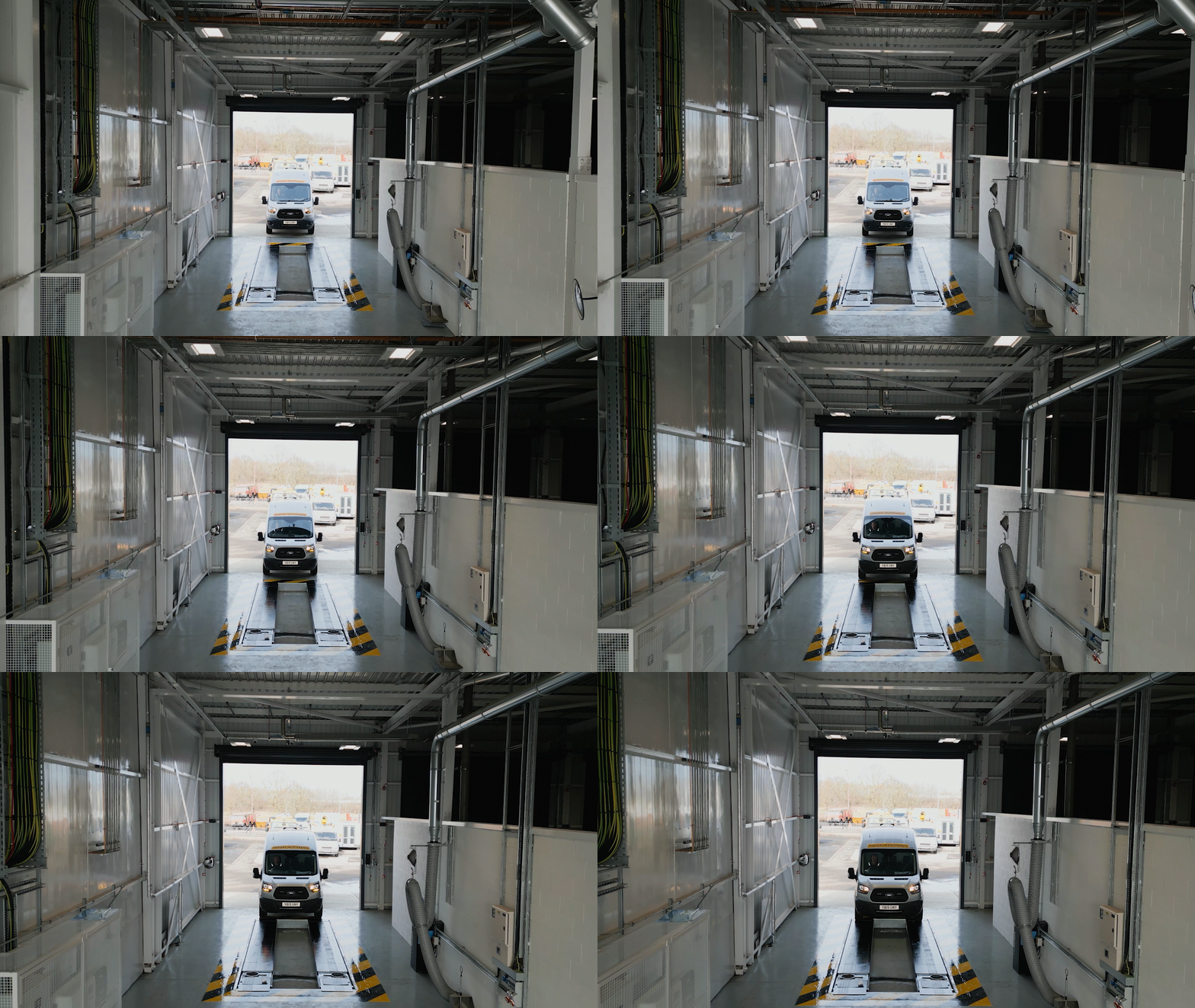
The process of using wheel alignment equipment typically involves lifting the vehicle onto the alignment rack and positioning it at the proper height and angle. The technician then attaches the alignment sensors to the wheels and takes the necessary measurements of the camber, caster, and toe angles. The alignment machine then generates a report with the necessary adjustments to be made, and the technician uses the appropriate tools to adjust the angles as needed.
Proper wheel alignment is essential for safe and comfortable driving, as misaligned wheels can cause uneven tire wear, decreased fuel efficiency, and poor handling and stability. Wheel alignment equipment ensures that the wheels are properly aligned, providing a smooth and safe driving experience.
In conclusion, wheel alignment equipment is used to adjust the angles of the wheels to ensure they are perpendicular to the ground and parallel to each other. The equipment includes alignment racks, alignment machines, and various tools such as gauges, turn plates, and alignment software. Proper wheel alignment is essential for safe and comfortable driving, and wheel alignment equipment ensures that the wheels are properly aligned, providing a smooth and safe driving experience.
About the Author