We use cookies to make your experience better. To comply with the new e-Privacy directive, we need to ask for your consent to set the cookies. Learn more.


How to Use a Wheel Balancer: A Comprehensive Guide

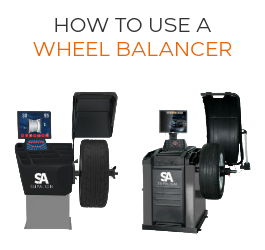
What is wheel balancing? Wheel balancing is the process of evenly distributing the weight of a tyre and wheel assembly so it rotates smoothly at speed. A wheel balancer is the workshop machine that detects imbalances and tells the technician exactly where to add small counterweights to correct them. Without proper balancing, vehicles develop steering vibrations, uneven tyre wear, and added strain on suspension and bearings.
At JHM Butt & Co, we supply UK garage workshops with wheel balancers, tyre changers, and wheel alignment equipment from trusted brands including Supalign. This guide explains how a wheel balancer works, how to use one correctly, and how it differs from wheel alignment, so your workshop can deliver complete tyre care with confidence.
We understand the importance of keeping your workshop equipment running smoothly and efficiently. In today's competitive automotive service industry, offering complete tyre care is essential.
Wheel balancing is a fundamental, yet often overlooked aspect of tyre maintenance. Imbalanced wheels can cause vibrations throughout the vehicle, leading to a poor driving experience, uneven tyre wear, and increased strain on suspension components.
A wheel balancer allows you to quickly identify and rectify these wheel imbalances, ensuring smooth operation, extended tyre life, and happier customers.
Investing in a reliable wheel balancer demonstrates your commitment to comprehensive tyre care and positions your garage workshop as a one-stop shop for all things tyres.
Let’s go into our comprehensive guide on how to use a wheel balancer in your garage.
Wheel Balancer Preparation:
Taking a few moments for proper preparation before wheel balancing can significantly improve efficiency and accuracy. Skipping these steps could lead to inaccurate readings or weights being placed in incorrect locations. This not only wastes valuable time with re-balancing, but can also result in persistent vibrations and negate the entire balancing process.
- Safety First: Ensure the wheel balancer is switched off before starting.
- Hub Adapters: Select the appropriate hub cone for the wheel's centre bore to guarantee centred rotation during balancing.
- Weight Removal: Remove any existing weights using weight pliers (steel wheels) or a removal tool (alloy wheels).
Mounting the Wheel Onto The Wheel Balancer
- Centre the Hub: Slide the chosen cone onto the balancer's spindle, ensuring the conical head faces outwards.
- Mount the Wheel: Carefully place the wheel onto the spindle, aligning the centre bore with the cone for proper centring.

Wheel Balancing Process:
- Power Up: Turn on the balancer according to the manufacturer's instructions.
- Initiate Spin Cycle: Most balancers have a foot pedal or button to begin the spin cycle.
- Identify Imbalance: The machine will detect any weight discrepancies and display the imbalance location (typically on a screen or via LED lights).
- Weight Selection: Choose the appropriate weight size, based on the machine's recommendation.
- Weight Placement: Attach the weight to the rim at the indicated location, ensuring it is firmly secured (usually behind a spoke for alloys).
- Refine and Repeat: Perform another spin cycle to verify balance. If necessary, add smaller weights or adjust existing ones for optimal balance.
- Calibration: Regularly calibrate your wheel balancer according to the manufacturer's guidelines to ensure accuracy.
Additional Wheel Balancing Tips:
- Rim Cleaning: Clean the inner surface of the rim where the weights will be placed for better adhesion.
- Split Weights: For alloy wheels, consider using split weights on both sides of the rim for a more balanced aesthetic.
- Machine Specifics: Always refer to your wheel balancer's user manual for detailed instructions and functionalities specific to your model.
By following these steps and utilising the proper techniques, you can ensure efficient and accurate wheel balancing in your garage. Remember, a well-maintained wheel balancer and a skilled mechanic are key components of a successful workshop.
If you’re in the market for upgrading or equipping your garage with a new wheel balancer, we can help. JHM Butt & Co stock wheel balancers from Supalign. They are leading the way in the garage equipment sector, producing premium quality wheel alignment machines, tyre changers & wheel balancers. Click here to see our range.
At JHM Butt, we offer a wide range of high-quality wheel balancers and other garage equipment. Our team is here to provide expert advice and support to keep your workshop running at peak performance. Contact us today to discuss your wheel balancing needs.
Wheel Balancer FAQ's
Is wheel balancing the same as wheel alignment? No. Wheel balancing corrects uneven weight distribution within the tyre and wheel assembly, eliminating vibration. Wheel alignment adjusts the angles of the suspension (camber, caster, toe) so the wheels point in the correct direction. Both are important, but they address different problems and use different equipment.
Why do wheels need balancing? Even brand-new tyres have minor weight inconsistencies, and wheels themselves are rarely perfectly uniform. At motorway speeds, even a few grams in the wrong place create vibrations that wear tyres unevenly, damage suspension components, and make for an uncomfortable drive. Balancing restores smooth rotation.
How long does wheel balancing take? A skilled technician using a modern wheel balancer can balance a single wheel in 10-15 minutes. A full four-wheel balance typically takes 30-45 minutes, including removal and refitting.
Do alloy wheels need balancing? Yes. Alloy wheels need balancing just as much as steel wheels, often using stick-on weights placed inside the rim for a cleaner finish, rather than the hammer-on weights used for steel.
Can a bent wheel be balanced? A wheel balancer can sometimes mask minor distortion, but a genuinely bent rim should be repaired or replaced. Balancing weights cannot fully compensate for a wheel that isn't running true.
How often should a wheel balancer be calibrated? Most manufacturers recommend calibration checks every 3-6 months, or whenever results seem inconsistent. Refer to your machine's manual; calibration procedures vary by model.
Can wheel balancing cause vibration? Incorrect balancing or weights coming loose can cause vibration, yes. If a vehicle vibrates shortly after a balance, the first checks are weight placement, weight adhesion (for stick-ons), and re-spinning to verify the original reading.
Looking to add or upgrade a wheel balancer in your workshop?
JHM Butt & Co supplies UK garage workshops with wheel balancers, tyre changers, and alignment equipment from trusted brands including Supalign. Whether you're kitting out a new bay or replacing an ageing machine, our team can help you pick the right balancer for your workload, your wheel range, and your budget, with no hard sell.
Give us a call on 01302 710868 or drop us a line at [email protected] and we'll talk you through the options.
November 21, 2024
|
View: 1757
|
Categories: Blog
|
By: <a class="mp-info" href="https://www.jhmbuttco.com/blog/author/admin">Admin</a>
About the Author


What are Coil Spring Compressors?
April 21, 2023


Your Full Guide to MOT Ramps
June 6, 2022


The Requirements Needed For an MOT Bay
July 19, 2023

MOT “Photos at Test” Begins: What Garages Need to Know
August 4, 2026